
What Is the NSCA Classification System?
The National Sporting Clays Association (NSCA) uses a classification system to group shooters of similar skill levels for competition. The goal is to create fair competition by allowing shooters to compete against others with comparable performance records.
As shooters improve and post higher scores in registered competition, they move through the classification system.
Understanding how the system works helps competitors track their progress, set realistic goals, and know what to expect at registered tournaments.
Why Does the NSCA Use Classifications?
Without classifications, new competitors would be forced to compete directly against national champions and professional-level shooters.
The classification system creates competitive divisions based on demonstrated performance rather than age, experience, or years in the sport.
This allows shooters to measure their improvement while competing against others at a similar skill level.
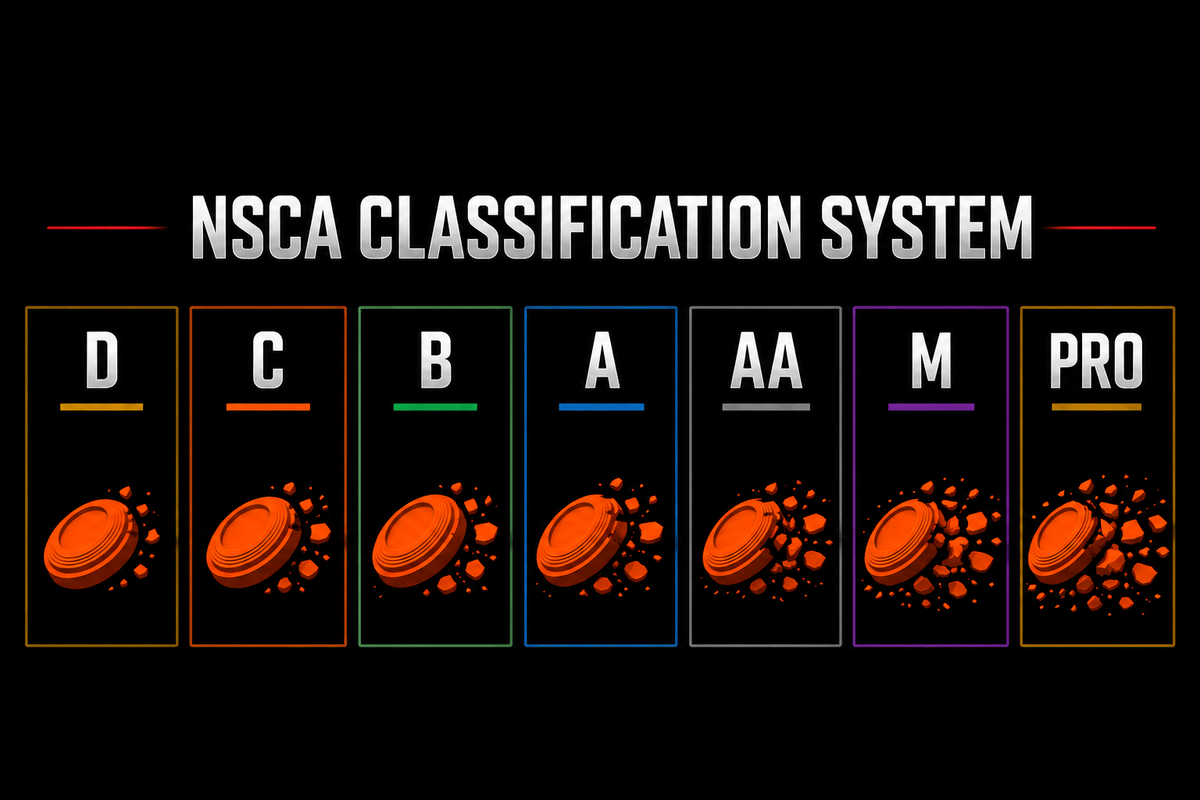
The NSCA Classes
The NSCA classification system includes the following classes:
Master Class
AA Class
A Class
B Class
C Class
D Class
E Class
Master Class represents the highest classification level and includes many of the nation's top competitors.
E Class is generally where most new competitors begin their registered sporting clays journey.
How Classification Is Determined
Classification is based on performance in registered NSCA events.
Each registered score contributes to a shooter's record.
As more targets are shot and scores accumulate, the NSCA evaluates performance to determine the appropriate class.
A shooter's classification is designed to reflect current competitive ability rather than a single exceptional score.
How Shooters Move Up
As scores improve, shooters may earn promotions to higher classifications.
Advancing through the classes generally requires consistent performance over time rather than one outstanding tournament.
Most competitors progress through multiple classes during their shooting careers.
The path often looks like:
E → D → C → B → A → AA → Master
Some shooters move quickly, while others spend years developing skills at each level.
Can Shooters Move Down?
Yes.
If a shooter's performance declines over an extended period, a review process may result in a reduction in classification.
This helps ensure that classifications accurately represent current skill levels.
The goal is fairness and competitive balance.
Classification vs. Concurrent Categories
Many shooters confuse class with category.
Classification reflects shooting ability.
Categories identify demographic groups.
Common categories include:
Junior
Sub-Junior
Lady
Veteran
Senior Veteran
Super Veteran
A competitor may compete for awards in both class and category at the same event.
For example, a shooter could be classified as B Class while also competing in the Veteran category.
What Is Master Class?
Master Class is the highest NSCA classification.
Shooters in Master Class have demonstrated sustained high-level performance in registered competition.
Many state champions, national champions, and elite competitors compete in Master Class.
Reaching Master Class is a significant milestone and a common long-term goal for competitive shooters.
How Long Does It Take to Move Up?
There is no standard timeline.
Advancement depends on:
Practice habits
Coaching
Tournament participation
Experience
Mental game development
Some shooters move multiple classes within a few years, while others progress more gradually.
The classification system is designed to reward consistent improvement.
Why New Shooters Should Not Worry About Classification
Many new competitors focus too much on classification and not enough on development.
The purpose of the system is not to label shooters but to place them in fair competition.
Instead of worrying about moving up quickly, shooters should focus on:
Learning target reading
Developing consistent gun movement
Improving mental discipline
Building tournament experience
Classification improvements naturally follow improved performance.
Final Thoughts
The NSCA classification system provides a structured pathway for competitive sporting clays shooters to measure progress and compete fairly.
Whether you're just entering your first registered shoot or working toward Master Class, understanding the classification system helps you set goals and track your development.
Every Master Class shooter started at the bottom. The classification system simply measures the journey.